


The starting point for most office design projects is to make a decision on whether to partner with a workplace strategy consultant or to engage directly with a designer. If you are approaching a lease renewal or an office refresh, engaging a workplace strategy consultant early will ensure decisions are grounded in how people actually work. Taking the time at the beginning of your project to set out a clear strategy will mean that you get an understanding of how the proposed changes will impact your business and help enhance your working environment.
At its core, a workplace strategy should optimise your office space by considering how to enhance the productivity and performance at work, as well as how the physical space integrates technology and shapes your workplace culture. Any workplace has the capability to look impressive but a beautifully designed workplace without a well considered strategy will miss the brief and have a limited impact on your people and business. This article walks through what each partner type genuinely does, where their scope boundaries tend to fall, and how to work out which combination your project actually requires.
What is a workplace strategy consultant?
A workplace strategy consultant is an independent expert that uses data and staff input to create an understanding of the way your people and the overall organisation operates. This consultant may do this by hosting leadership alignment sessions, conducting structured staff engagement and analysing the data they get back. This discovery phase of work produces an overarching concept which will inform a written brief that grounds every subsequent decision.
When do I need to consider a workplace strategist?
It is best to consider a workplace strategist as early as possible before your workplace project begins. The earlier you engage with a consultant, the more time they have to build a picture of your organisation and ultimately, get you a better result.
The decision to begin looking for a workplace strategy partner is usually related to one of several significant events linked to an office relocation, an office refurbishment or your organisation is going through a period of structural change that will affect headcount or ways of working. In each case, a workplace strategist would be able to provide an independent, external analysis of the way your business operates through data and space analysis.
What does a workplace strategy consultant do?
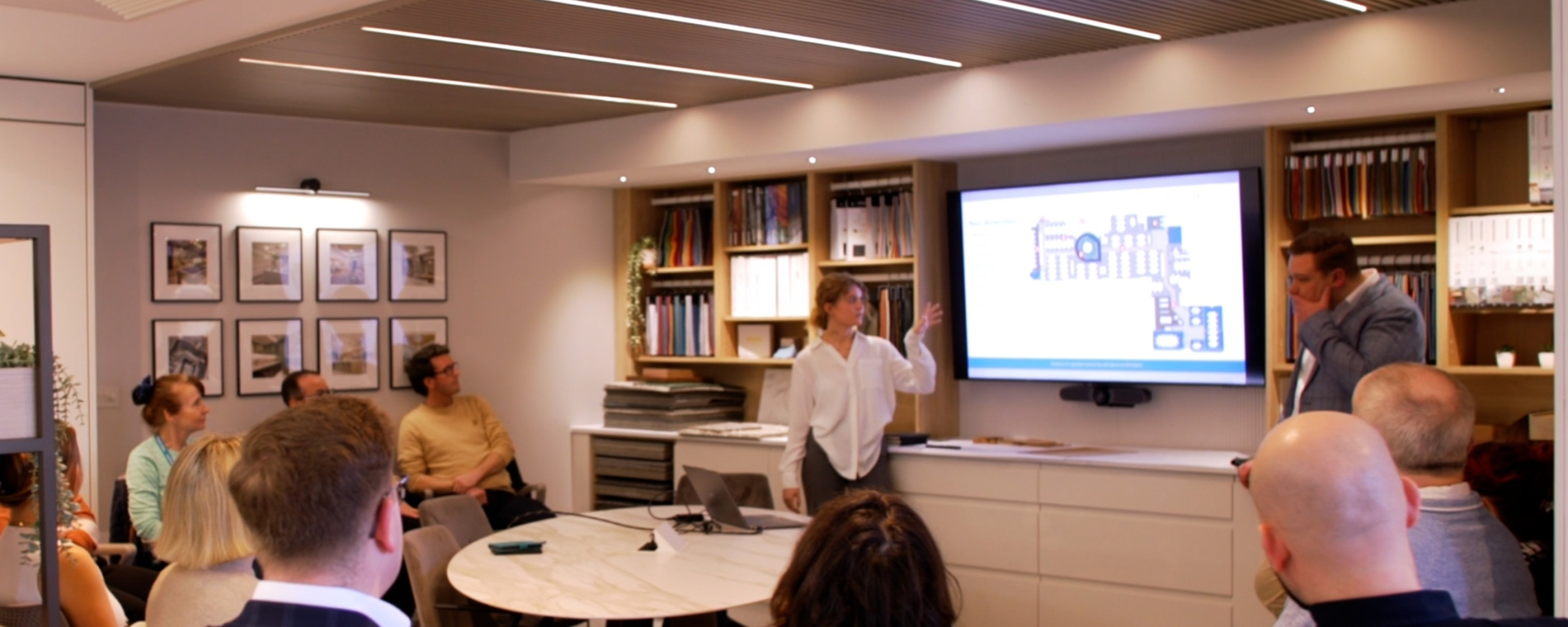
There will be slight variations in how each consultancy is delivered but the core activities will be similar. The process would usually include things like engagement surveys, interactive workshops and leadership sessions. During these steps, the needs of your organisation are captured through data. From there, the foundation to build a robust and methodical brief is set. The activities that take place during the workplace consultancy process include:
Stakeholder Interviews: Engaging with key members of the team, not necessarily always C-suite or leadership teams, to understand the core business objectives. Time will also be spent gathering feedback from team members to hear about their day-to-day experiences within the office.
Employee Surveys: Confidential questionnaires help get a real feel for sentiment on everything from communication and tech frustrations to the company culture and physical office space.
Data Analysis: Data is a really important part of the process and a range of metrics can be valuable. Things like office space usage, IT support tickets, employee turnover rates and installing sensors in the space. There are plenty of ways to collect feedback using data.
What are the benefits of working with a workplace consultant?
Whether your office needs more meeting rooms and different types of shared working areas, workplace consultants can bring connected teams closer together by aligning physical space, workplace technology and working patterns to improve the way your office space performs.
People and culture
In order to give your people the best workplace experience and a supportive environment at work, it must reflect their needs. Working with a strategy consultant is an opportunity to use employee feedback to shape your workspace. This could be anything from better lighting, supportive furniture or a wider range of social areas. Instead of just seeing it as an opportunity to improve your physical workplace, you could also improve your people’s connection to the office by helping staff build a sense of culture at work.
Future Flexibility
A challenge that frequently comes up is how you maintain future flexibility after you design a new office. Part of the role of a workplace consultant is to recommend layouts that integrate a level of adaptability that allow the space to adjust to growth or changes to working patterns.
Evidence-based design
When you are looking at investing in your real estate, there should be a robust, data-backed process behind your decisions. While design is a key part of an office relocation or refurbishment, a space that looks good isn’t guaranteed to improve workplace performance. Working with a workplace strategy consultant gives you the reliability of evidence-backed decisions that factor in all the important components of what will improve the workplace.
Assessing your workplace needs
The modern workplace is a dynamic landscape which means that assessing the needs of your workplace stretches beyond the traditional requirements of a desk and task chair. A workplace consultant should help you understand the way your space is utilised by your staff. If you are considering refurbishing your office space then a consultant will be able to help you unlock underutilised office space or relinquish extra space. If you are relocating, then they will be able to inform your building search requirements and advise you on the amount of office space you actually need.
Once you understand how much space you need, you can start to consider the types of space or features you need in your office. This might include things like:
- Collaboration zones and flexible workspace
- Focused working areas
- Meeting rooms and phone booths
- Breakout space and social areas
- Workplace technology and connectivity
Can workplace consultancy help save you money?
Whether you have underutilised parts of the office or there are unnecessary costs accruing through the way your space is being used, it is possible to make strategic changes that save money following a workplace consultancy.For a company paying £100,000 a year in rent and utilities, if a workplace strategy consultant can help achieve a 20-30% reduction in those costs per year, it would translate as a saving of £20- £30,000 per annum.
The potential cost savings you could achieve will also depend on the location of your office. For example, a 5,000 sq ft office in central London would typically be a higher price per sq ft in rent, business rates and service charges than a 5,000 sq ft office in Portsmouth. However, each situation is unique and the benefit of a workplace strategy is that it will be optimised for your people, location and business ambitions.
What is the core process of a workplace consultancy?
The core process of a workplace consultancy follows a multistep process which takes you from the initial stages of understanding business goals and staff requirements through to the delivery of your project and into the post occupancy stages. At Spectrum Workplace, the way we approach workplace strategy for our clients to guide them through the entire office design process.
- Evaluate your space
This stage brings together the numbers and the everyday experiences of the people using the space. Consultants look at how often desks and meeting rooms are occupied, ask employees what helps them work well, and speak with leaders about where the business is heading. They also review the technology, working patterns and policies shaping workplace behaviours as part of the goal of building an accurate picture of your business.
- Analysis
Once the research is gathered, the next step is making sense of the data and translating it into tangible ideas. There will be key highlights and findings from the initial evaluation that will feed into the assessment of whether the business needs more space, less space or simply a better balance of settings. This stage turns observations into data and helps everyone understand which problems matter most and where a change could make the biggest practical difference.
- Recommendations & brief building
This is the most fundamental stage of the workplace consultancy process where all the work from the previous stages comes together. All the findings become a practical plan for the workplace and the brief will be assembled based on the findings and recommendations. The recommendations should connect to an identified need, with an explanation of the expected costs and benefits. The result is a clear direction for the project, giving leaders a basis for decisions about where to invest and what those choices are intended to achieve.
- Implementation
At this stage, a workplace strategy consultant will work with the design team to translate the plan into layouts, settings and specifications. If you have partnered with a strategist that works directly with a design practice or design and build firm then this part of the process will be entirely managed by them. Once people move in, the work continues through observation, surveys and checks on how the space is performing and can help identify areas that require enhancements or tweaks based on usage.
Approaching your workplace strategy
As our working environments have evolved, so has our approach to design. It is common for most design companies to offer a level of workplace strategy as part of their project.
While some companies will offer this as a separate service and charge a fee, others will offer it as a complimentary service as part of the larger fit out project. Both options are common and while fees may be involved, this is not always the most important indicator behind selecting a workplace consultant in the early stages of your project. It is important to consider how the consultant will work with you over the course of the project, the types of engagement and analysis they can offer as well as how well you believe they can help to understand your business.
Our in-house consultants have strategised and delivered workplace transformations for over 50 years. If you are looking to make changes to your office space and need help taking the first step, get in touch with our team today.


